Let’s be honest: your carpets go through a lot. Whether it’s the muddy paws of a wet-weather walk at Newborough Beach, the inevitable red wine spill during a dinner party, or just the general "life" that happens in a busy North Wales home, your floors take a beating.
When you start searching for professional carpet cleaning near me, you’ll find plenty of options. But here’s the thing: not all carpet cleaners are created equal. In fact, choosing the wrong one can lead to soggy carpets that smell like damp dogs, or worse, permanent damage to your expensive wool rugs.
If you’re looking for carpet cleaning in Anglesey or the wider North Wales area, we want you to be informed. Here is our expert buyer’s guide on the 10 things you absolutely must know before you let anyone through your front door.
1. Check for the "Big Four" Accreditations
In the UK, the carpet cleaning industry isn't strictly regulated. Technically, anyone can buy a cheap machine and call themselves a "pro." That’s why accreditations are your best friend. Look for these four logos:
- NCCA (National Carpet Cleaners Association): The only UK trade body dedicated to carpet cleaning. Members must be trained and insured.
- IICRC (Institute of Inspection, Cleaning and Restoration Certification): The "gold standard" global training body. An IICRC-certified technician has passed rigorous exams on fibre science and stain removal.
- WoolSafe: If you have wool carpets, this is non-negotiable. WoolSafe-approved cleaners use specific products that won’t damage natural fibres.
- TrustMark: This is a government-endorsed quality scheme. At Anglesey Carpet Care, we are proud to be the only TrustMark-accredited carpet and upholstery cleaning service in North Wales.
2. Truck-Mounted vs. Portable Equipment
Most people don't think about the machine, but they should. There are two main types:
- Truck-Mounted Systems: These are high-powered machines built into the technician's van. They provide incredible heat and suction, which means deeper cleaning and much faster drying times. The only thing that enters your home is two hoses.
- Portable Extractors: These are wheeled into your home. They are essential for high-rise flats or places with limited access, but they often lack the "oomph" of a truck-mount.
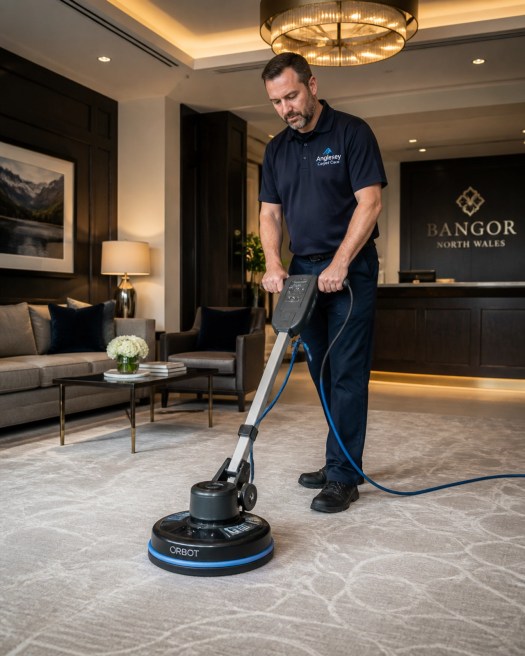
At Anglesey Carpet Care, we use advanced deep-clean systems that offer the power of a truck-mount to ensure we get the grit out of the very base of your carpet.

3. The "Touch-Dry" Test: Ask About Drying Times
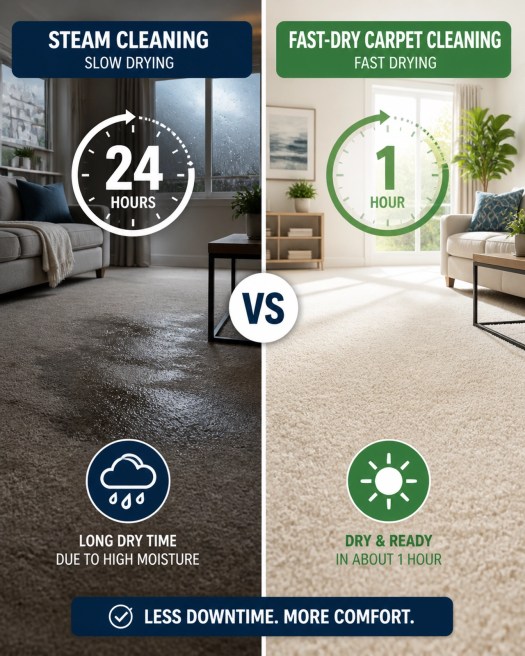
If a cleaner tells you it will take 24 hours for your carpet to dry, run.
Modern, professional equipment should leave your carpets "touch-dry" within a few hours. Prolonged dampness can lead to mould, mildew, and that unpleasant "wet carpet" smell. If you’re a commercial client, like a hotel or office, you probably need even faster turnarounds. We specialize in faster carpet drying so you can get back to normal life (or business) ASAP.
4. Are They Fully Insured (Including "Treatment Risk")?
Standard public liability insurance isn't enough. It covers the cleaner if they trip over your rug and break a vase, but it doesn't necessarily cover the rug itself!
You need to ensure your carpet cleaners in North Wales have "Treatment Risk" insurance. This specifically covers any accidental damage to the item being cleaned. If they don't have it, you're the one taking the risk.
5. Check Local Reviews and Reputation
A fancy website is one thing, but what are the locals saying? Look for reviews from people in Holyhead, Bangor, Beaumaris, and Llandudno. A company that has been serving the island and the mainland for years will have a trail of happy customers.
Check their Facebook page for real "before and after" photos. If a company is proud of their work, they’ll show it off!
6. Eco-Friendly and Safe Solutions
If you have children or pets (and let’s face it, most of us in North Wales have a dog or two), you don’t want your home filled with harsh, toxic chemicals.
Ask your cleaner if they use eco-friendly, biodegradable products. Professional-grade "green" solutions are now just as effective as the old-school harsh chemicals, but they are much safer for your family and the environment.

7. Pricing Transparency (Avoid the "Bait and Switch")
We’ve all seen those adverts: "Whole house cleaned for £49!"
Usually, these are "bait and switch" tactics. Once they arrive, they’ll tell you that the £49 only covers a basic "refresh" and that actual cleaning costs three times as much. A reputable company will provide a clear, honest quote: often after a pre-inspection: that includes stain treatment and moving furniture.
8. Do They Offer a Guarantee?
A professional should stand by their work. If a stain "wicks back" (reappears) a few days later, will they come back and fix it for free?
At Anglesey Carpet Care, we offer a satisfaction guarantee. If you’re not happy, we aren’t happy. It’s that simple.
9. More Than Just Carpets: Hard Floors and Upholstery
Most homes in Anglesey aren't just wall-to-wall carpet. You might have a beautiful slate floor in the kitchen or a luxury sofa that needs some TLC.
It’s often more cost-effective to hire a specialist who can handle everything. We don’t just do carpets; we are experts in upholstery cleaning, rug washing, and even carpet repair. We also provide deep cleaning for hard floors like stone and tile, restoring them to their former glory.

10. Local Knowledge of Coastal Living
Anglesey is unique. Living by the coast means dealing with higher humidity, salt air, and sand: lots of sand.
Sand is incredibly abrasive. If it’s not removed properly, it acts like tiny pieces of glass at the base of your carpet fibres, wearing them down every time you walk on them. A local expert understands the specific challenges of coastal damp and sand ingress, and will have the right equipment to pull that grit out before it ruins your flooring.
Ready to Refresh Your Home?
Choosing a carpet cleaner shouldn't be a gamble. By checking for accreditations like TrustMark and NCCA, asking about their equipment, and ensuring they have the right insurance, you can relax knowing your home is in safe hands.
If you’re looking for a professional, local service that treats your home with the respect it deserves, give us a shout. Whether it’s a single room in Llangefni or a full commercial office maintenance contract in Bangor, we’re here to help.
Contact Simon and the team at Anglesey Carpet Care today for a free, no-obligation quote!